Utilities
External data sharing for regulated industries
For utilities where external data sharing is a licence condition, not a choice.
See how it works
External data sharing is a core operational requirement. Harbr treats it like one.
Regulated utilities share data externally as a condition of their licence and market participation.
Harbr standardises how that sharing is governed — across counterparties, obligations, and delivery mechanisms — without centralising data or replacing existing systems.
Fragmentation is the default. It doesn't have to be.
Most regulated utilities have arrived at a patchwork of delivery mechanisms — file transfers, portals, cloud storage, platform-native sharing — adopted over time to meet specific obligations. Each was the right call locally. Collectively, they create a fragmented operating model that is expensive to run and difficult to govern.
One operating model. All your obligations.
Standardise the governance layer. Leave everything else in place.
The goal isn’t to consolidate data or replace the mechanisms you use to deliver it. It’s to standardise the layer that sits above them: how external access is requested, approved, enforced, and audited — consistently, regardless of what is being shared or how it is delivered. This means:
External parties interact through a single, governed experience — whether they are a regulator, a code counterparty, an auditor, or a commercial partner.
Access is governed through subscription-based entitlements that reflect your actual obligations, not workarounds built around system limitations.
Every access event is logged, traceable, and available for audit without additional configuration.
When obligations change, you update the operating model once — not across every separate system.
Built for regulated environments
Designed to work with what you already have. Harbr works across your existing systems and delivery mechanisms. It does not require data centralisation or architectural change. It provides the governance layer above delivery: standardising how access is managed, controlled, and evidenced across all your external sharing obligations.
External data discovery
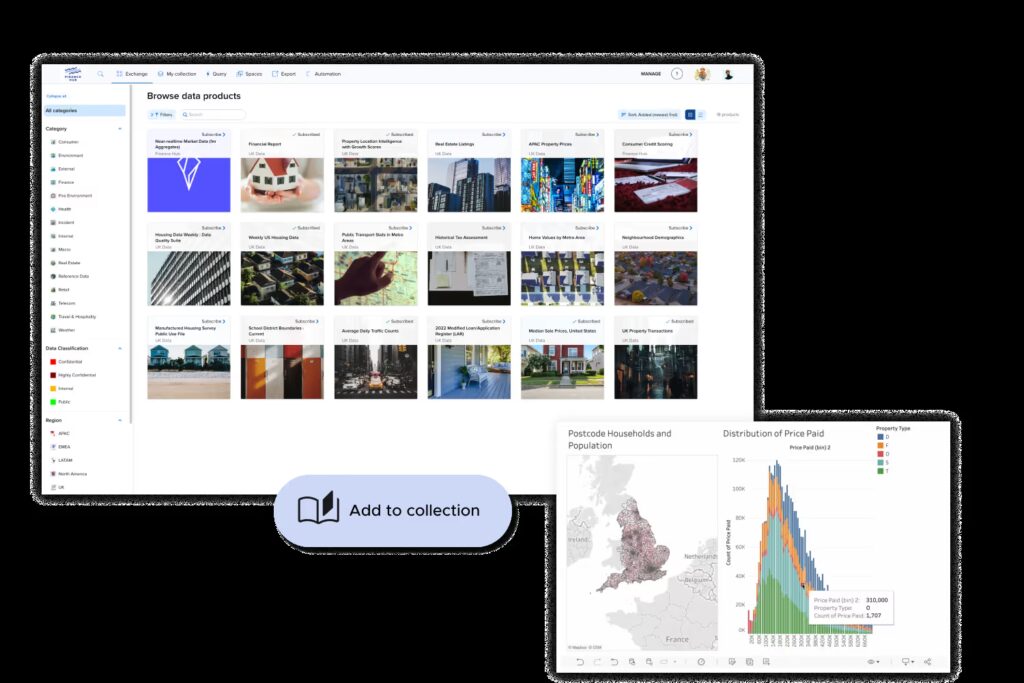
Many parties. One destination.
A white-labelled interface where external parties can discover available datasets, request access, and manage their delivery preferences — within parameters you define. Designed for regulators, market participants, auditors, and partners, not just technical users.
Access request and approval workflows
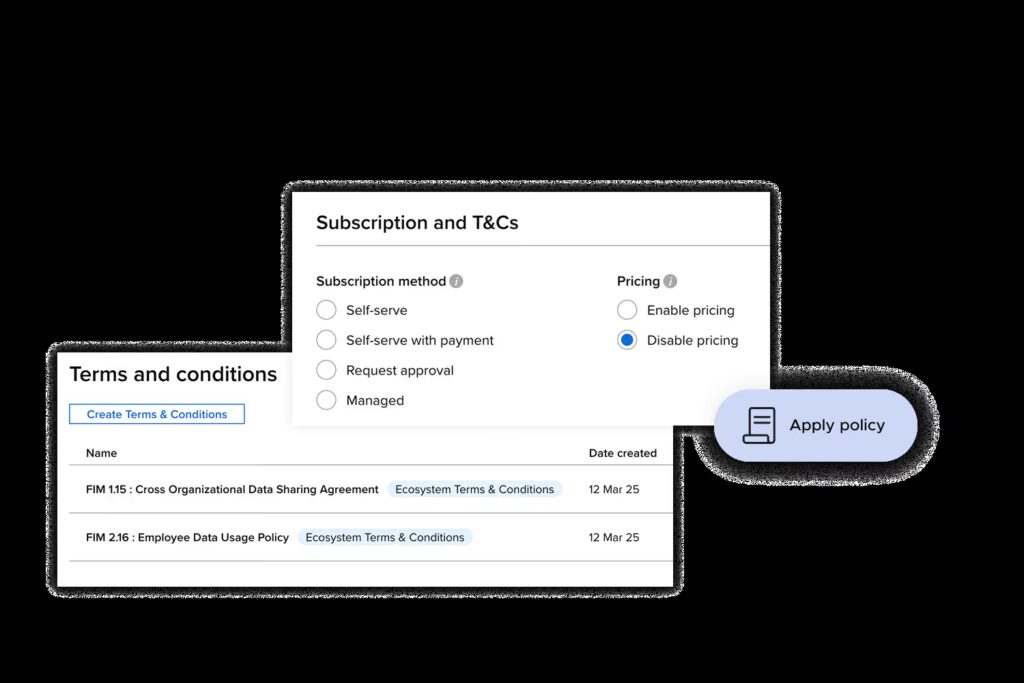
Joy in repetition
Structured, auditable processes for granting and managing external access. Replaces ad hoc provisioning with a consistent, repeatable model that scales as the number of counterparties grows.
Subscription-based entitlements
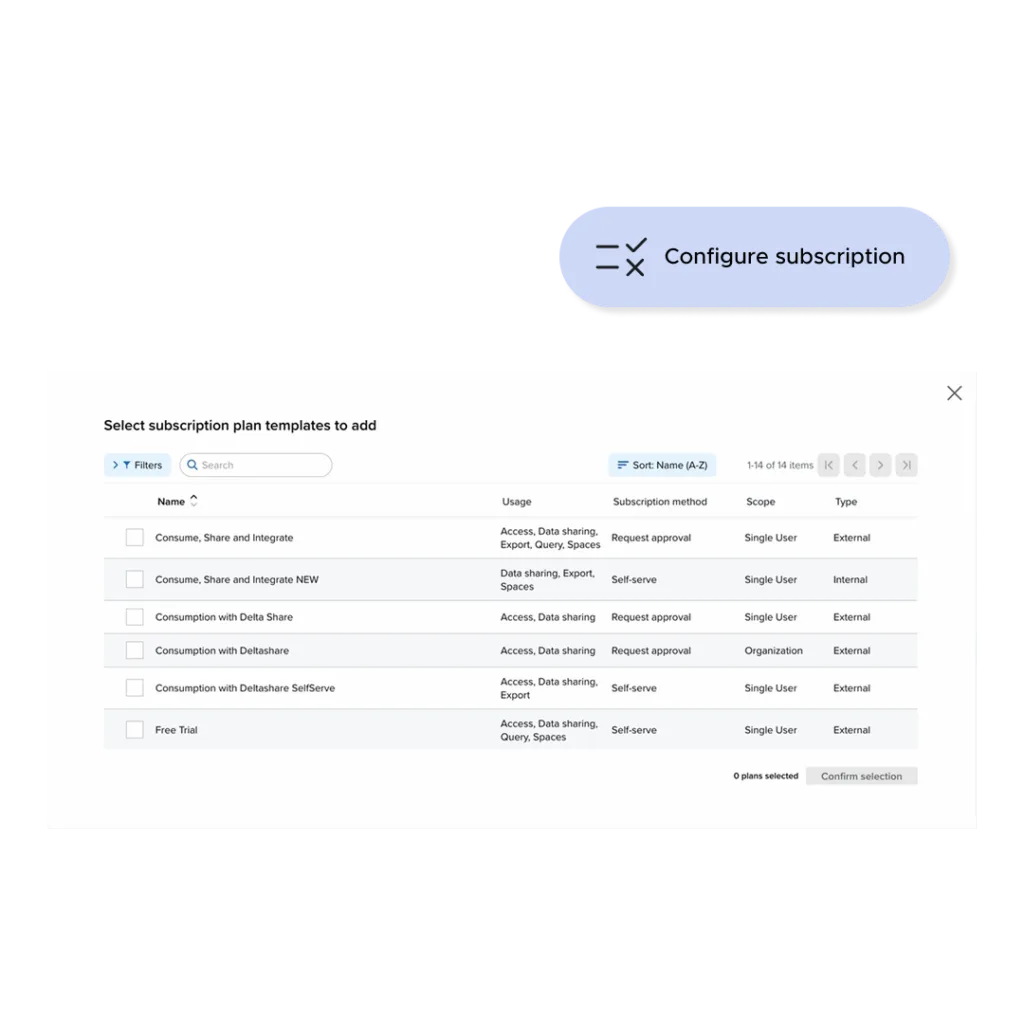
Make expansion a product motion, not a sales call.
Make expansion a product motion, not a sales call.
Support for convenient delivery mechanisms
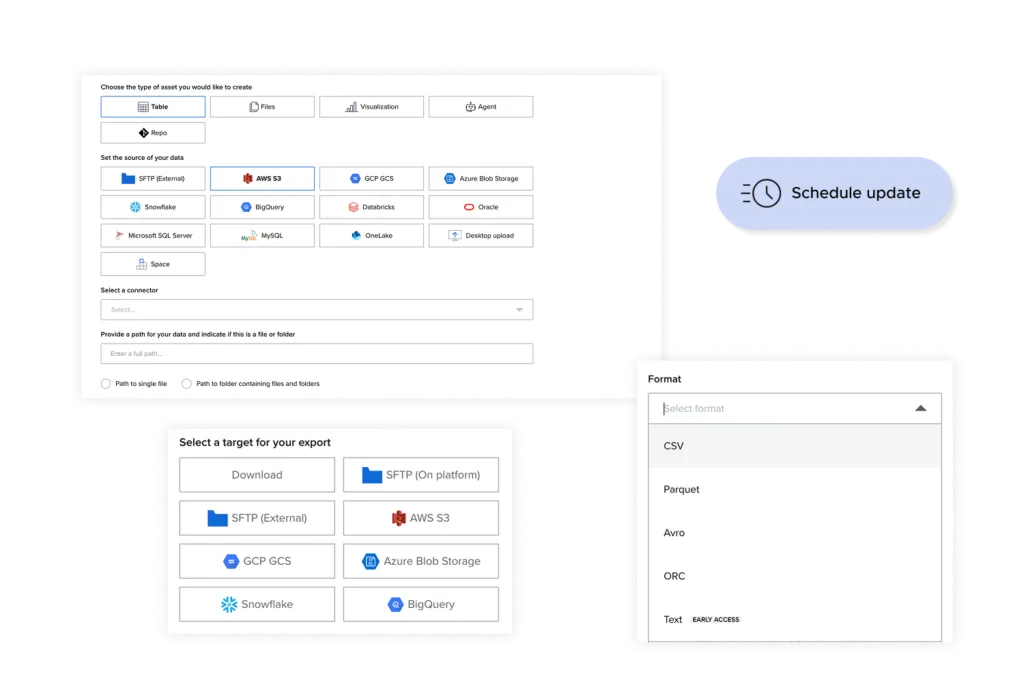
Any format, method, or location
Harbr works with file-based delivery, direct access, and common cloud delivery patterns. It does not mandate a new technical rail or require migration of existing delivery infrastructure.