Public Sector
External data sharing for the public sector
Harbr helps government departments and public bodies share data externally, without losing control or accountability.
See how it works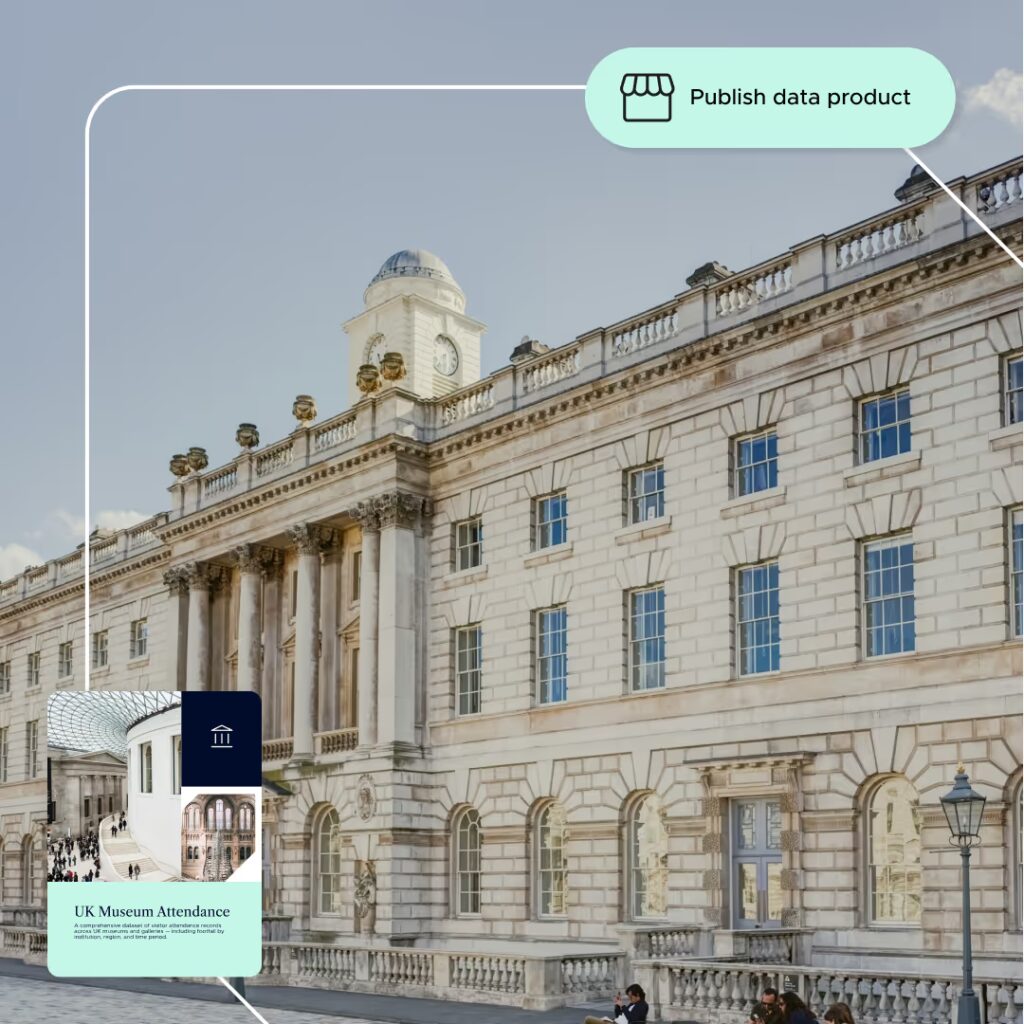
Public data has more value to unlock. Harbr provides the model to unlock it.
Governmental bodies are under increasing pressure to make public sector data more accessible.
Researchers need structured access to public datasets. Businesses want to build on government data commercially. AI developers need reliable, licensed sources. And policy teams are being asked to demonstrate transparency and value from the data they hold.
Harbr provides the governed infrastructure to meet all of it — one platform to package data, publish it for external consumers, and manage access at scale.
The ambition is there. The infrastructure usually isn't.
Most public sector organisations hold significant data assets with real value for external audiences — researchers, businesses, academia, regulators, and AI developers. But getting that data out safely, consistently, and at scale is harder than it should be.
A governed storefront for public data
Harbr isn't a document repository or a data portal. It's the layer that sits above your existing systems and data sources — standardising how external access is packaged, published, governed, and delivered.
External audiences get a single, branded destination to discover what’s available, understand access terms, and request what they need — without going through multiple teams or submission forms.
Access is governed through subscription-based entitlements that reflect your policies, so each external party receives what they’re permitted —nothing more. Every access event is logged, traceable, and auditable without additional configuration.
Built for sharing public sector data
Designed to work with what you already have. Harbr connects to your existing systems and storage and data stays at source. What changes is how external access is managed, structured, and evidenced. It's consistent, across every dataset, every use case, and every consumer.
External data discovery
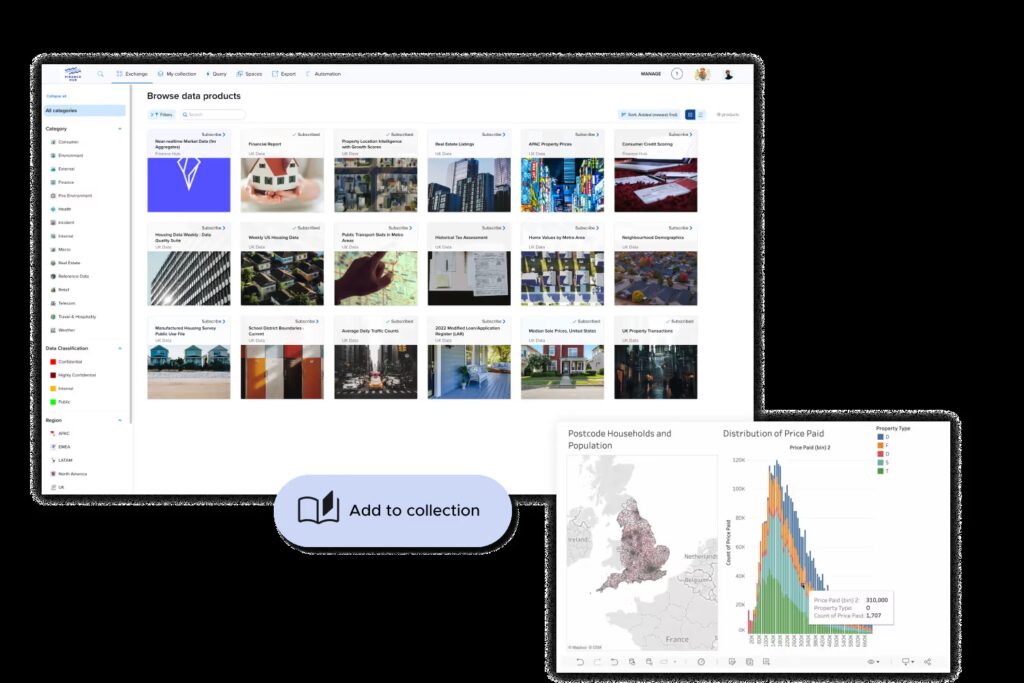
One destination for everything you offer
A white-labeled, branded interface where researchers, businesses, regulators, and AI developers can browse available datasets, review access terms, and request what they need — without needing to know which team or system holds it.
Access request and approval workflows
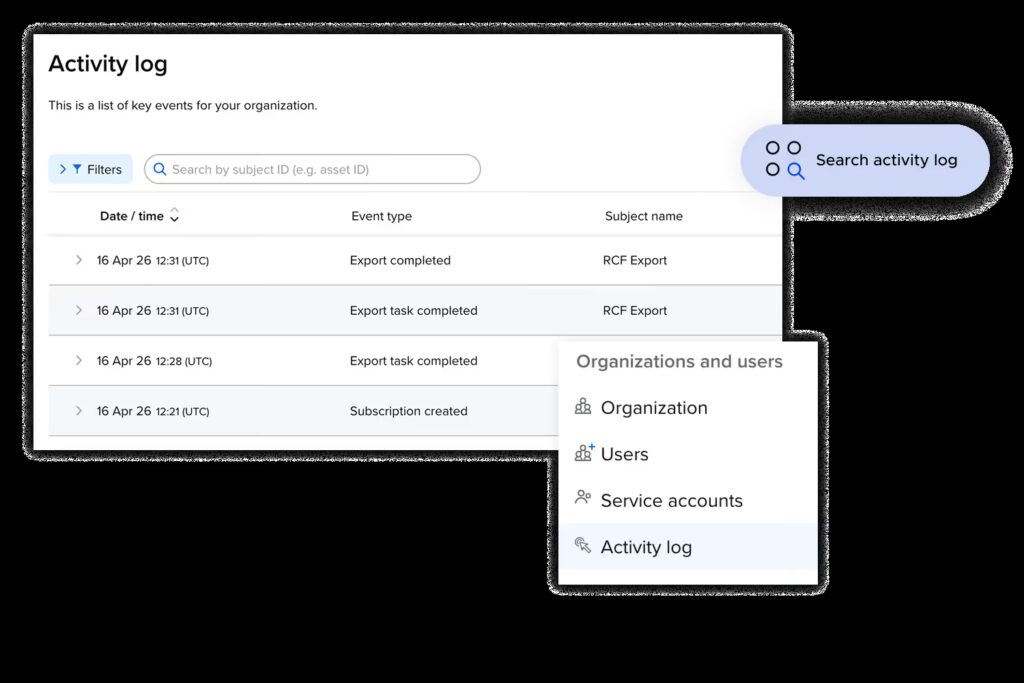
Structure, not overhead
Structured, auditable processes for evaluating and granting external access. Replaces email threads and one-off decisions with a consistent, repeatable model — one that scales as demand grows and can demonstrate accountability on request.
Subscription-based entitlements
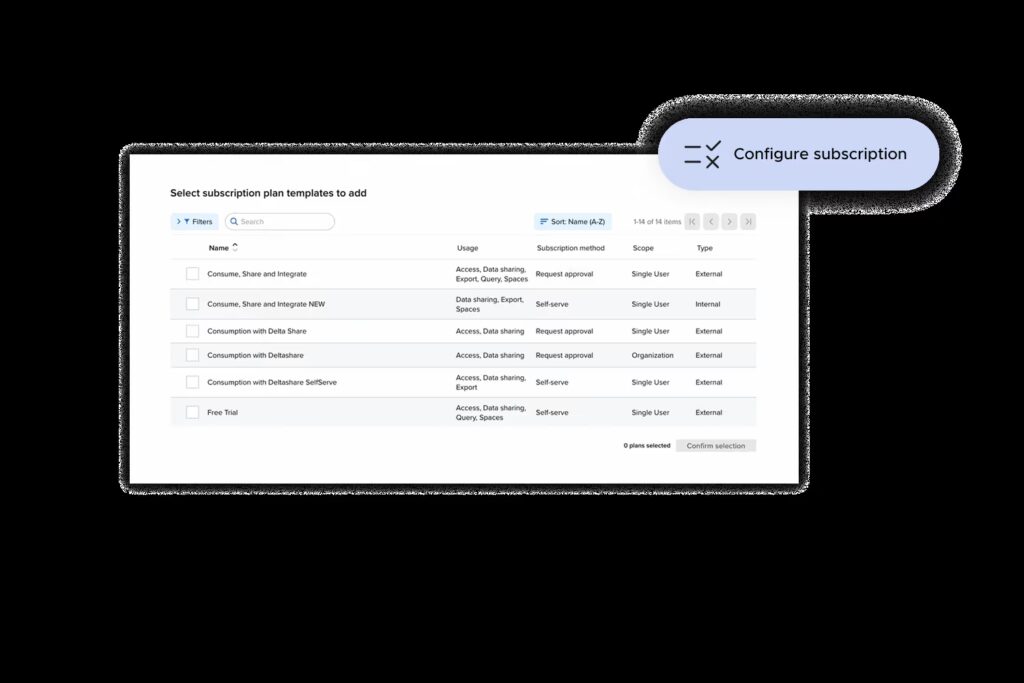
Policy made operational
Access is managed through entitlements that reflect your licensing terms, data sensitivity classifications, and permitted use cases. External parties are provisioned with exactly what they need, while conditions and restrictions are enforced by design.
Controlled commercial and research use
One platform. Every access model.
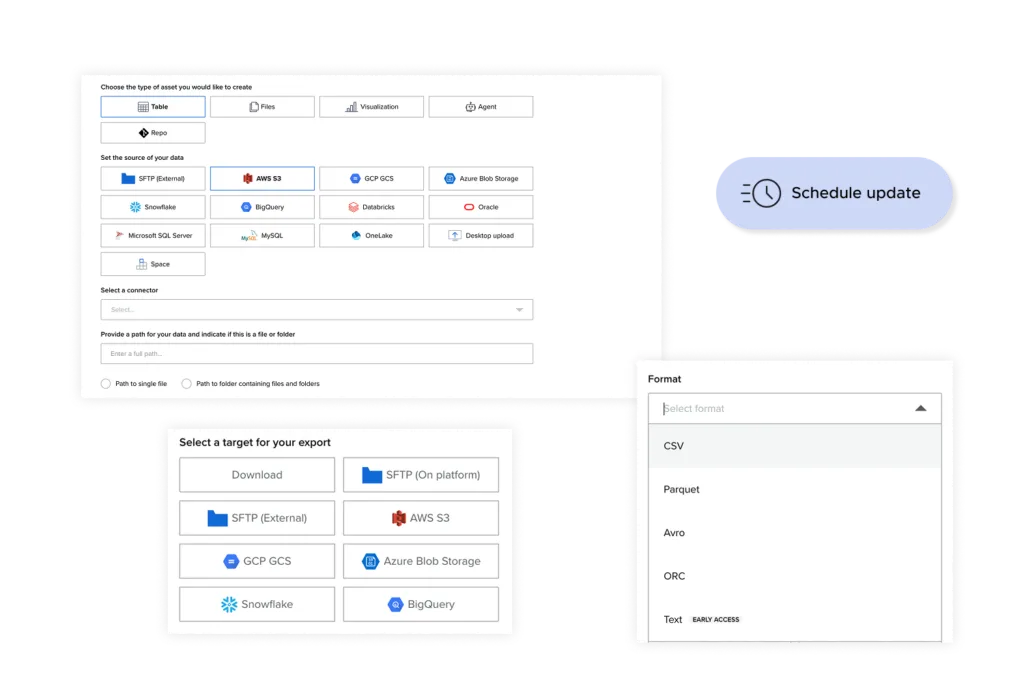
Whether access is free, licensed, or commercially priced, Harbr supports the full range. Data can be made available for open access, restricted research use, or commercial licensing — all through the same operating model, with the same governance layer applied consistently.
Built for the teams unlocking public data
Harbr is used by the teams accountable for making public data accessible — and by the governance and compliance functions that need to evidence it is being done correctly.

Own the infrastructure that makes external data sharing work. Harbr reduces the need for bespoke delivery builds and per-request configuration, and provides a consistent model that scales with your programme.

Accountable for delivering on open data commitments and data sharing strategies. Harbr makes those commitments deliverable, not just aspirational.

Responsible for ensuring external access is lawful, auditable, and defensible. Harbr provides a single system of record for who accessed what, under which terms, and when — supporting internal accountability and external scrutiny.